Key Takeaways
- A great horror score creates psychological dread before anything frightening appears on screen.
- John Carpenter scored Halloween (1978) himself on a synthesizer and piano due to budget constraints.
- Ennio Morricone's rejected cues from The Thing were later used in The Hateful Eight, winning an Oscar.
- Bernard Herrmann's high-pitched string stabs in Psycho permanently changed how Hollywood approached thriller and horror music.
- Minimalist electronic arrangements often generate more sustained tension than massive traditional orchestras.
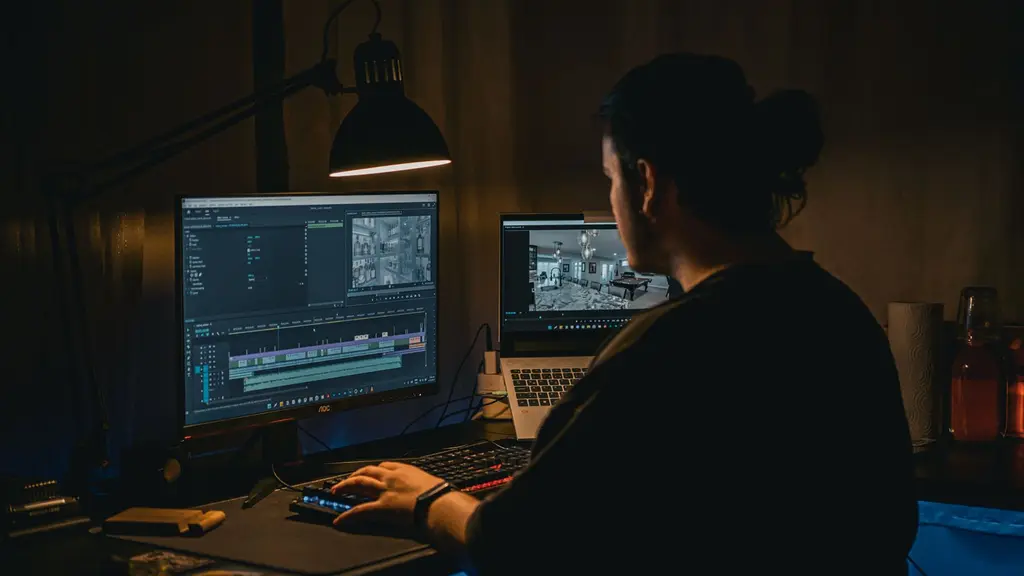
You are sitting in a dark edit suite at three in the morning, listening to the same four-bar synth drone for the forty-fifth time. The dialogue track is clean, the color grade has that teal-and-orange bruise you spent twelve hours dialing in, but the scene still feels dead. It lacks teeth. That is the moment every independent filmmaker learns the hard truth about genre filmmaking: you can have the sharpest 4K capture and the most expensive production design on your block, but if your audioscape is flat, your horror movie is just a drama with fake blood.
The instinct is usually to throw money at the problem. You look at orchestral rates, session players, and studio booking fees, and your micro-budget shatters before you even reach the rough cut. But the history of terrifying cinema proves you do not need a fifty-piece string section to curdle an audience's blood. You need a synthesizer, a sharp ear for dissonance, and the discipline to leave empty space where a bloated Hollywood track would normally blare.
Introduction: Why Horror Relies on the Score#
Horror is an exercise in manipulation, and audio is your most surgical tool. Before a monster fills the frame or a jump scare rattles the subwoofers, your audience processes the non-diegetic sound—the score that exists outside the film, unheard by the characters—building a psychological cage around their nerves. Contrast that with diegetic sound, the practical audio generated within the scene like floorboards creaking or rain hitting a windowpane. When you weave a chilling film score against those mundane sounds, you create tension that visuals alone cannot touch.
Synthesizer
An electronic instrument that generates audio signals, which are then shaped using filters and oscillators to create unnatural, eerie waveforms.
The biggest mistake independent directors make is treating music as wallpaper. They slap heavy, bombastic orchestral tracks over subtle scenes, inadvertently drowning out crucial dialogue and key sound effects. Or worse, they rely entirely on sudden, deafening audio stings to manufacture cheap frights because they failed to build sustained atmospheric dread. If your cue starts blaring the second an actor opens a door, you have telegraphed the scare. Masterful sound design whispers before it screams. It uses dissonance—combinations of musical notes that produce a tense, unresolved clash—to keep the viewer's nervous system permanently wired in the red.
10. The Omen (1976)#
Jerry Goldsmith walked onto the scoring stage for The Omen and asked a simple question: what is more unnerving than a traditional orchestral arrangement? His answer was weaponized religion. Goldsmith deployed bombastic choral arrangements that weaponized sacred music into something deeply blasphemous. The opening track, "Ave Satani," leans hard into demonic Latin chants backed by heavy percussion, immediately establishing an overwhelming sense of doom.
What independent filmmakers can learn from Goldsmith here is scale. You do not need a cathedral choir of eighty professional singers to achieve this level of dread. Layering your own vocals, pitching them down two octaves, and running them through a heavy reverb plugin will yield a choir of the damned for the price of a plug-in license. Goldsmith proved that religious motifs, when distorted, hit harder than standard monster-movie brass.
9. Annihilation (2018)#
Composers Ben Salisbury and Geoff Barrow took a sledgehammer to traditional scoring conventions for Alex Garland’s sci-fi horror hybrid. The resulting soundtrack defies simple categorization. It shifts from discordant, metallic humming to blasted-out synths and haunting folk guitar, mirroring the genetic mutation at the heart of the narrative.
The brilliance of this score lies in its unpredictability. Instead of telegraphing danger with standard rising strings, Salisbury and Barrow use ambient noise and distorted guitar feedback that feels organic yet alien. When you are scoring a low-budget psychological piece, look outside traditional plugin libraries. Record the hum of a refrigerator, pitch it down, run it through a bitcrusher, and let that serve as the bed of your scene. Discomfort lives in the unfamiliar.
8. Videodrome (1983)#
David Cronenberg’s body horror masterpiece demanded a score that felt as greasy and corrupted as the VHS tapes transmitting the signal. Howard Shore delivered an astonishing hybrid of analogue orchestration and early digital synthesizer wizardry. The opening track utilizes percussive, glitched-out samples over cold, synthetic chords that sound like a machine digesting organic matter.
Shore’s work here captures the unsettling eroticism of Cronenberg’s vision. It is seductive and repulsive in equal measure. For indie creators working on psychological thrillers or tech-horror, Shore demonstrates the power of texture over melody. You do not need a hummable tune. You need a sonic texture that makes the audience want to wipe their hands after listening to it.
7. It Follows (2014)#
Disasterpeace—the moniker of composer Rich Vreeland—crafted a synth-heavy soundscape for It Follows that anchors the entire film's eerie, suburban nightmare. Rich, swelling synthesizer landscapes roll over the scenes like an incoming fog, evoking a nostalgic, almost comforting John Carpenter-esque aesthetic before twisting it into pure terror.
What makes this score remarkable is its emotional duality. It captures teenage melancholy and suburban isolation just as effectively as it manufactures dread. When a cue like "Jay" plays, you feel a deep, aching nostalgia mixed with the suffocating realization that an unstoppable entity is walking toward you at a slow, deliberate pace. Never let your horror score be one-note. Give it emotional history.
6. Rosemary’s Baby (1968)#
Krzysztof Komeda gave us one of the most deceptively innocent yet skin-crawling opening themes in cinema history. Mia Farrow softly humming a lullaby over low strings and a plucked acoustic guitar sounds pleasant on paper. In context, inside Roman Polanski's claustrophobic Manhattan apartment, it is pure psychological poison.
Komeda’s score relies on juxtaposition. By pairing gentle, childlike melodies with creeping, dissonant orchestration as the plot descends into Satanic paranoia, the music creates an unbearable friction. Independent filmmakers often make the mistake of making their scary scenes sound scary right out of the gate. Komeda teaches us to start sweet, lulling the audience into a false sense of security before pulling the rug out.
5. Psycho (1960)#
Bernard Herrmann did something radical when Alfred Hitchcock asked him to score Psycho: he stripped away the woodwinds and brass entirely, writing exclusively for a string orchestra. The result became the definitive blueprint for cinematic terror. The piercing, stabbing violin arrangements in the shower scene are so culturally embedded that you can hear the knife strikes without watching a single frame.
| Video | Audio |
|---|---|
| Medium shot: Norman stares through the peephole at Marion undressing. | SFX: Rain pelting the motel window. Faint diegetic motel hum. |
| Cut to wheel spinning, dust catching the sun. | SFX: Tyre bite. Music enters, low strings. |
In Scriptory: Two-Column AV Format
The video-left, audio-right layout commercials and corporate work are written in, with its own diagnostics.
Where: New script — AV or TVC format
Hitchcock initially wanted no music for that pivotal sequence, but Herrmann ignored the note, wrote the cue anyway, and forever changed film history. The lesson here is surgical precision. Herrmann did not pad his arrangements with unnecessary instrumentation. Every stroke of the bow served the knife.
4. Suspiria (1977)#
Dario Argento bypassed traditional orchestral composers entirely for his Giallo masterwork, recruiting the Italian progressive rock band Goblin. The resulting title track is less of a traditional score and more of a demonic rock anthem, featuring chanting vocals whispering "witch" over pounding percussion and driving basslines.
Goblin proved that horror scoring does not require quiet, ambient restraint to work. Sometimes you need to crank the gain, drive the rhythm section, and assault the audience with pure, energetic propulsion. If your chase sequence feels sluggish, ditch the ambient drones and look toward aggressive, rhythmic rock arrangements that match the breathless panic of your fleeing protagonist.
3. Halloween (1978)#
John Carpenter didn't just direct and co-write Halloween on a shoestring budget; he scored it himself using a piano and a basic synthesizer because he couldn't afford an orchestra. Working under extreme financial constraints forced a radical simplicity. The iconic 5/4 time signature theme—pulsing piano notes backed by a clicking metronomic pulse—became a masterclass in minimalist terror.
Carpenter understood that repetition breeds anxiety. By hammering the same simple motif into the listener's brain over and over, the music acts like a relentless ticking clock. It costs nothing to program a simple, pulsing synth arpeggio in your DAW. You do not need expensive gear to write an immortal horror theme; you just need a relentless rhythm and a sticky, haunting motif.
2. The Shining (1980)#
Stanley Kubrick took a collage approach to The Shining, pairing avant-garde electronic soundscapes by Wendy Carlos and Rachel Elkind with harrowing, dissonant 20th-century classical concert pieces by György Ligeti and Krzysztof Penderecki. The opening tracking shot of the family car winding through the Colorado mountains goes from a pleasant Sunday drive to a descent into madness purely because of Carlos’s warped, synthetic interpretations of Berlioz.
Kubrick proved that curation is just as powerful as composition. You do not always need to write original music from scratch to achieve a terrifying effect. Combing through the public domain for discordant classical arrangements—or commissioning an electronic artist to reinterpret avant-garde pieces—can yield a sophisticated, high-end sound design that punches well above your production weight class.
1. The Thing (1982)#
John Carpenter returned to the director's chair for The Thing, but this time he handed the musical reins to legendary composer Ennio Morricone. Carpenter gave Morricone a notoriously brief direction: "fewer notes." Morricone responded by crafting a brooding, minimalist hybrid of orchestra and synthesizers that felt like pure, frozen isolation.
The score pulses, swells, and dissipates like a dying heartbeat in an Antarctic blizzard. Interestingly, Morricone wrote so much material for the film that unused cues sat in his archive for decades until Quentin Tarantino dusted them off for The Hateful Eight—winning Morricone an Academy Award in the process. When your rejected horror scraps win Oscars, you have reached the absolute peak of the craft.
Scriptory Resource
Tag your script instead of retyping it
Scriptory pulls props, cast and locations straight off the page.
Conclusion: Lessons in Horror Scoring for Filmmakers#
You do not need a Hollywood budget or a fifty-piece orchestra to make an audience jump out of their seats. Take a page from Carpenter, Morricone, and Herrmann: embrace minimalism, lean heavily on synthesized textures, and never let your score explain the scene when it can undermine it instead. Lock your edit, build your sonic landscape with intention, and stop relying on cheap jump scares to do the heavy lifting. Write a motif that haunts your viewers long after the credits roll.
Frequently Asked Questions
Quick answers to what people ask about this topic.
What makes a great horror movie soundtrack?
A great horror movie soundtrack builds psychological tension and amplifies dread without overpowering the narrative. It relies on dissonance, unconventional instruments, minimalist motifs, and strategic silence to keep audiences on edge before visual threats appear.
How did John Carpenter create the Halloween theme?
John Carpenter composed the iconic Halloween theme himself using a piano and a synthesizer. Working on a shoestring budget, he utilized a pulsing single-note piano melody in 5/4 time backed by a click track to establish immediate, simple suspense.
Who scored the 1982 horror film The Thing?
The legendary Italian composer Ennio Morricone scored The Thing (1982). Directed by John Carpenter, the film's soundtrack utilized a sparse combination of orchestra and synthesizer based on Carpenter's core direction of keeping the music minimal.
What is the difference between diegetic and non-diegetic sound in horror?
Diegetic sound originates from a source inside the film's world, such as a character playing a radio or footsteps on a floorboard. Non-diegetic sound, such as a suspenseful orchestral score or synthesized dread, exists outside the narrative world and is heard only by the audience.
Format your script for free
Stop fighting Word margins. Scriptory formats your screenplay to industry standard as you type, then turns it into a breakdown, a schedule and a call sheet.
Open Scriptory Now